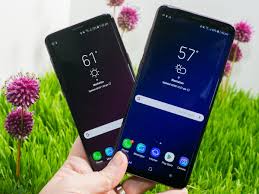
Remember when getting a new phone felt like a major upgrade in every way? The camera was sharper, the screen was brighter, and apps ran smoother. For many, the Samsung Galaxy S9 Plus was that phone. It packed a punch with its features and design. This article is a deep dive into the Samsung Galaxy S9 Plus, exploring what made it stand out and how it holds up today. You’ll learn about its strengths, weaknesses, and whether it’s still a good option for you, helping you make an informed decision.
Key Takeaways
- The Samsung Galaxy S9 Plus offered a premium design with excellent build quality.
- Its camera system was a standout feature, delivering impressive photo and video results for its time.
- Performance was strong, handling daily tasks and most apps with ease.
- The display was vibrant and sharp, a signature of Samsung’s AMOLED panels.
- Battery life was decent but not exceptional for heavy users.
- Software updates and long-term support are now limited for this model.
Samsung Galaxy S9 Plus Review Overview
The Samsung Galaxy S9 Plus was a flagship device that aimed to impress users with a blend of sophisticated design, cutting-edge technology, and a powerful camera. Launched in early 2018, it represented Samsung’s commitment to pushing the boundaries of smartphone innovation. This review will cover its design, display, performance, camera capabilities, battery life, and software experience, giving you a comprehensive look at what this device offered. We’ll also touch upon its place in the market and what potential buyers should consider.
Design and Build Quality
The Samsung Galaxy S9 Plus sports a sleek and premium design, featuring a glass front and back with an aluminum frame. The curved edges of the display blend seamlessly into the body, giving it an elegant look and comfortable feel in hand. Samsung’s Infinity Display concept was prominently featured, minimizing bezels to maximize screen real estate. The rear of the phone houses the dual-camera system and a centrally located fingerprint sensor. The placement of the fingerprint sensor was an improvement over its predecessor, making it more accessible.
- Premium Materials Used
- Ergonomic Shape
- Water and Dust Resistance
The phone’s construction utilizes Gorilla Glass 5 on both the front and back, providing a good level of scratch resistance and durability. The aluminum frame adds to the device’s sturdiness and provides a nice contrast to the glass. Its IP68 rating means it can withstand submersion in water up to 1.5 meters for 30 minutes, offering peace of mind against accidental spills or rain. This level of durability was a key selling point for a premium smartphone.
Display Excellence
The 6.2-inch Super AMOLED display on the Samsung Galaxy S9 Plus is a true highlight. It offers vibrant colors, deep blacks, and excellent contrast, making content look stunning. The QHD+ resolution (2960 x 1440 pixels) ensures sharp details and crisp text, whether you’re browsing the web, watching videos, or playing games. The display also supports HDR10 content, enhancing the viewing experience for supported media. Samsung’s displays are consistently among the best in the industry, and the S9 Plus was no exception.
- Vibrant Colors
- Deep Blacks
- Sharp Resolution
- HDR10 Support
The adaptive display technology allows the screen to adjust its color profile and brightness based on ambient light, providing optimal viewing conditions in various environments. This also helps in conserving battery life by reducing brightness when not needed. The Always-On Display feature is also present, allowing users to see the time, date, and notifications without waking the phone, a handy convenience. The display’s responsiveness is top-notch, with smooth touch input for a fluid user experience.
Performance and Processing Power
Under the hood, the Samsung Galaxy S9 Plus was powered by either the Qualcomm Snapdragon 845 (in most regions) or the Exynos 9810 (in others), paired with 6GB of RAM. This combination provided smooth and fast performance for almost all tasks. Apps launched quickly, multitasking was seamless, and demanding games ran with high frame rates. The processor architecture was designed for efficiency and power, making it capable of handling intensive operations.
- Fast App Performance
- Smooth Multitasking
- Capable Gaming
The chipset also included an improved neural processing unit for AI tasks, which could be leveraged by certain applications and system features. For storage, the device came with 64GB, 128GB, or 256GB of internal storage, expandable via a microSD card up to 400GB. This generous storage capacity meant users could store a large number of photos, videos, and apps without worrying about running out of space. This flexibility was a key advantage for users who needed ample storage.
Camera System: A Step Forward
The Samsung Galaxy S9 Plus camera system was a major selling point, featuring a dual-lens setup on the rear. The primary 12-megapixel camera boasted a variable aperture (f/1.5 and f/2.4), allowing it to adapt to different lighting conditions. This was a groundbreaking feature at the time, enabling better low-light photography and sharper shots in bright light. The secondary 12-megapixel telephoto lens provided 2x optical zoom, allowing users to get closer to their subjects without losing image quality.
- Dual Aperture Technology
- Optical Zoom
- Super Slow-motion Video
The camera also offered advanced features like Live Focus for portrait shots with adjustable background blur (bokeh effect) and Pro mode for manual control over camera settings. The ability to shoot super slow-motion video at up to 960 frames per second was another impressive capability, allowing for dramatic capture of fast-moving action. The front-facing 8-megapixel camera also delivered good quality selfies and supported autofocus.
Low-Light Photography
The variable aperture was a key innovation for low-light performance. At f/1.5, the camera could capture significantly more light than fixed-aperture lenses, resulting in brighter and less noisy images in dimly lit environments. This meant fewer blurry or grainy photos when shooting indoors or at night. The optical image stabilization further aided in capturing steady shots.
Zoom Capabilities
The 2x optical zoom lens allowed users to frame shots more precisely without resorting to digital zoom, which often degrades image quality. This was particularly useful for capturing distant subjects, wildlife, or details in a scene. The combination of the main lens and the telephoto lens provided versatility for various shooting scenarios.
Video Recording
The S9 Plus could record video in stunning 4K resolution at up to 60 frames per second. The super slow-motion feature, while a bit of a novelty, was capable of capturing incredibly detailed moments that would otherwise be missed. These advanced video capabilities made the phone an attractive option for aspiring videographers.
Battery Life and Charging
The Samsung Galaxy S9 Plus is equipped with a 3,500 mAh battery. In day-to-day use, it could generally last a full day for moderate users. However, for heavy users who spent a lot of time gaming, streaming video, or using GPS, it might require a top-up before the end of the day. The QHD+ display, while beautiful, also consumes more power. Fortunately, Samsung included fast charging and wireless charging support, making it convenient to replenish the battery.
- Moderate Daily Usage
- Fast Charging
- Wireless Charging
Fast charging allowed the battery to reach a significant percentage in a short amount of time, while wireless charging offered a cable-free charging experience. The battery management system was generally efficient, but the power demands of the high-resolution display and powerful processor could still take their toll.
Software and User Experience
The Samsung Galaxy S9 Plus launched with Android 8.0 Oreo and Samsung’s Experience UI (later One UI). The software offered a rich set of features and customization options. Samsung provided several years of software updates for the device, ensuring it received security patches and new Android versions. However, as the phone is now several years old, it has reached its end of major software support. This means it will no longer receive significant Android version upgrades or the latest security updates from Samsung.
- Feature-Rich Interface
- Customization Options
- Limited Future Updates
The user interface was intuitive, with a clear layout and easy access to settings and apps. Samsung’s commitment to software updates meant that users could enjoy new features and security improvements for an extended period. However, for those who prioritize the absolute latest software features and security, older devices like the S9 Plus may fall short.
Samsung Galaxy S9 Plus Review: Real-World Performance
Putting the Samsung Galaxy S9 Plus to the test in real-world scenarios often revealed its strengths. For everyday tasks like checking email, browsing social media, and making calls, the phone performed admirably. The responsiveness of the touchscreen and the speed at which apps opened made daily interactions smooth. Watching videos on the vibrant AMOLED display was a pleasure, with colors popping and details sharp.
One common scenario involved using the camera for a family outing. Capturing spontaneous moments was easy with the quick camera launch. Photos taken in good lighting were consistently excellent, with natural colors and good detail. In challenging low-light situations, the variable aperture lens made a noticeable difference compared to older phones, producing usable shots where others might have failed. The zoom function was also handy for getting a closer look at distant objects without moving.
Gaming was another area where the S9 Plus held its own. Popular titles like PUBG Mobile or Asphalt 9 ran smoothly on high settings, thanks to the powerful processor. While the phone could get slightly warm during extended gaming sessions, it didn’t significantly impact performance. The large display provided an immersive gaming experience.
Sample Scenario 1: Photography Enthusiast
A photography enthusiast using the S9 Plus for travel found the camera to be a significant asset. They could capture stunning landscapes with the wide-angle lens and zoom in on architectural details with the telephoto lens. The ability to adjust the aperture manually allowed for creative control over depth of field, producing professional-looking portraits. The super slow-motion feature was used to capture the beauty of a waterfall, turning a fleeting moment into an artistic video.
Sample Scenario 2: Heavy Multitasker
A user who juggles multiple applications throughout the day found the S9 Plus’s 6GB of RAM sufficient for their needs. They could seamlessly switch between browsing the web, managing emails, and using messaging apps without experiencing slowdowns. The large screen made it comfortable to view documents and spreadsheets on the go. Even when running several apps in the background, the phone maintained a fluid performance.
Technical Specifications Comparison
To better understand the Samsung Galaxy S9 Plus’s capabilities, let’s compare its key specifications to another popular device from its era. This comparison focuses on hardware aspects that directly impact user experience.
| Feature | Samsung Galaxy S9 Plus | iPhone 8 Plus (Example Comparator) |
|---|---|---|
| Display Size | 6.2 inches | 5.5 inches |
| Display Type | Super AMOLED | IPS LCD |
| Resolution | 2960 x 1440 pixels | 1920 x 1080 pixels |
| Processor | Snapdragon 845 / Exynos 9810 | A11 Bionic |
| RAM | 6GB | 3GB |
| Rear Cameras | 12MP (Wide, f/1.5-f/2.4) + 12MP (Telephoto, f/2.4) | 12MP (Wide, f/1.8) + 12MP (Telephoto, f/2.8) |
| Front Camera | 8MP (f/1.7) | 7MP (f/2.2) |
| Battery | 3500 mAh | 2691 mAh |
| Expandable Storage | Yes (microSD) | No |
This table highlights some key differences. The S9 Plus offered a larger, higher-resolution AMOLED display, which is generally considered superior for vibrant visuals. It also had more RAM and a more versatile camera system with its variable aperture and dual zoom lenses. Expandable storage was another advantage for users needing more flexibility.
Common Myths Debunked
Myth 1: The S9 Plus camera is outdated and can’t compete with modern phones.
While newer phones have advanced significantly, the S9 Plus camera remains capable. Its dual aperture technology and optical zoom still produce excellent photos, especially in good lighting. While it may lack some of the computational photography features of the latest flagships, for many users, its image quality is more than sufficient for daily use and social media sharing.
The ability to capture detailed shots and offer optical zoom are still valuable assets.
Myth 2: The phone is too slow for current apps and tasks.
For basic to moderate usage, the S9 Plus is still quite zippy. Its Snapdragon 845 or Exynos 9810 processor, coupled with 6GB of RAM, handles common apps like social media, web browsing, and email with ease. While it might not be the best choice for the most graphically demanding new games played at the highest settings, it offers a smooth experience for most daily activities.
Its processing power was top-tier when released and still holds up for many common uses.
Myth 3: Battery life on older phones is always terrible.
Battery degradation is a factor in any phone, but the S9 Plus’s 3500 mAh battery, while not massive by today’s standards, can still offer a reasonable day’s use for light to moderate users. If the battery has been replaced or is in good condition, its performance can be surprisingly good. The phone also supports fast and wireless charging, which helps mitigate battery concerns.
Usage habits play a significant role in how long the battery lasts.
Frequently Asked Questions
Question: Is the Samsung Galaxy S9 Plus still receiving software updates?
Answer: No, the Samsung Galaxy S9 Plus has reached its end of major software support and will no longer receive significant Android version upgrades or new security patches from Samsung.
Question: Can I use the S9 Plus for mobile gaming?
Answer: Yes, the S9 Plus can run most mobile games smoothly, though the most graphically intensive new titles might require lower settings for optimal performance.
Question: What is the main advantage of the S9 Plus camera?
Answer: The main advantage is its dual aperture lens, which allows it to adapt to different lighting conditions, resulting in better low-light photos and more control in bright light.
Question: Does the S9 Plus have water resistance?
Answer: Yes, the Samsung Galaxy S9 Plus has an IP68 rating, meaning it is water and dust resistant.
Question: Is the S9 Plus good for photography in low light?
Answer: The S9 Plus performs well in low light thanks to its variable aperture lens (f/1.5), which captures more light than a fixed aperture lens, leading to brighter and less noisy images.
Final Thoughts
The Samsung Galaxy S9 Plus was a device that excelled in key areas like its stunning display, versatile camera, and strong performance for its time. It offered a premium experience with its build quality and features. While it’s no longer the latest model and lacks current software updates, it remains a capable smartphone for everyday tasks and photography if you prioritize a great screen and camera. Consider its age and support status when making a decision.