Imagine a world where your phone doesn’t demand constant attention. You want to connect, but without the endless distractions. This is the promise of minimalist phones, and the Light Phone III aims to deliver just that.
In this detailed light phone iii review, we will explore if this device truly offers a calmer digital life. You’ll learn what makes it unique, its pros and cons, and who it’s best suited for.
Key Takeaways
- The Light Phone III focuses on essential communication and mindfulness.
- Its design prioritizes simplicity and a break from smartphone addiction.
- Key features include calling texting and basic navigation.
- Battery life and build quality are often praised.
- The trade-off is a lack of advanced app functionality.
Introducing The Light Phone III
The Light Phone III represents a deliberate step away from the feature-packed, always-on smartphones that dominate today’s market. Its core philosophy is to provide a tool for communication that respects your time and attention. This philosophy is evident in every aspect of the device, from its physical design to its software.
The goal is not to replace your primary smartphone entirely for everyone, but to offer a powerful alternative for those seeking digital well-being.
Design and Build Quality
Holding the Light Phone III is an experience in itself. Its minimalist aesthetic is intentional. The device often features a premium feel with materials like aluminum or steel.
This choice in construction not only makes it durable but also contributes to its sophisticated look. The absence of unnecessary buttons and a clean, uncluttered interface further reinforces its purpose.
Users often highlight the satisfying weight and tactile feedback of the buttons. This physical interaction is a stark contrast to the often flimsy feel of mass-produced smartphones. The screen is typically designed to be easy on the eyes, avoiding the harsh glare of OLED displays found in many modern phones.
This thoughtful design promotes longer usage without eye strain.
- The phone often uses robust materials like anodized aluminum.
- This focus on build quality ensures longevity and a premium feel.
- Its compact size makes it easy to carry and handle.
- Minimalist design reduces visual clutter and temptation to use.
- The buttons offer satisfying tactile feedback.
The Software Experience
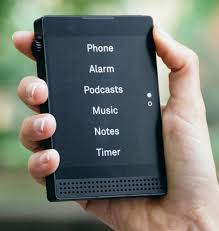
The software on the Light Phone III is where its minimalist ethos truly shines. It’s intentionally limited, focusing on the essentials. This means no social media apps, no endless scrolling through news feeds, and no demanding games.
Instead, you get a streamlined experience for making calls, sending texts, and managing your schedule.
The operating system is designed for simplicity and speed. It boots up quickly and navigates smoothly between its core functions. This lack of complexity is a feature, not a bug, for its target audience.
The aim is to make using the phone quick and purposeful, then encourage you to put it down.
Essential Features
The core functionality revolves around its primary purpose: communication. Making and receiving calls is straightforward. Text messaging is supported, but it’s often a simpler, more focused experience than what you’d find on a typical smartphone.
The interface is designed to make sending a quick message efficient.
Beyond calls and texts, you might find a basic calendar and alarm clock. Some versions may include a simple music player or a limited navigation tool. These additions are carefully curated to serve practical needs without introducing significant distractions.
The goal is to keep you connected to what matters without overwhelming you.
Calls and Texting
Making a phone call is as simple as it gets. You can access your contacts, dial a number, or use speed dial. The audio quality is typically clear and reliable.
Texting involves a straightforward interface. You can type messages using a simple keypad or voice-to-text, though advanced predictive text might be absent. The emphasis is on clear communication, not on emoji-laden, long-form conversations.
This deliberate limitation in messaging can actually foster more meaningful communication. When texts are harder to send or receive, you tend to send more important messages. This encourages thoughtful interaction over constant, low-value exchanges.
It’s about quality over quantity in your digital conversations.
Navigation and Tools
While not its primary focus, some Light Phone III models include a basic navigation feature. This is usually a stripped-down map application that provides directions without the distracting pop-ups and recommendations of larger mapping services. It’s there for when you truly need to find your way.
Other tools might include a simple calculator, a timer, or a voice recorder. These are practical utilities designed to assist you without drawing you into a vortex of apps. They serve their purpose and allow you to move on with your day.
The absence of a full app store is a deliberate choice to maintain the phone’s focus.
Battery Life and Durability
One of the significant advantages of a less complex device is its battery life. Without power-hungry apps and features constantly running in the background, the Light Phone III can often last for several days on a single charge. This is a welcome relief for those tired of constantly searching for an outlet.
The durable construction also means it can withstand the bumps and drops that are inevitable with everyday use. This makes it an ideal companion for outdoor activities or for anyone who tends to be a bit clumsy. You can use it with more confidence, knowing it’s built to last.
Real-Life Battery Performance
In typical usage, which involves a few calls and texts per day, users report the battery holding strong for 2 to 3 days. Even with moderate use, including some time spent with the screen on for navigation or settings adjustments, reaching the end of the second day is common. This contrasts sharply with most smartphones, which often require a daily charge.
For users who primarily need a phone for emergency calls and occasional contact, the battery can extend to a week or even longer. This reliability is a major selling point for those who value preparedness and independence from charging cables.
Durability Testing
While not officially drop-tested to extreme standards, the robust materials and solid construction provide a good level of durability. Accidental drops onto carpeted floors or hard surfaces are usually handled without issue. The screen, while not always the latest Gorilla Glass, is typically well-protected by its bezel.
This build quality means the phone can be a reliable tool in various environments. From a busy city commute to a hiking trail, it’s designed to keep functioning. The lack of a fragile, edge-to-edge screen further reduces the risk of cracks and damage.
Who Is The Light Phone III For
The Light Phone III is not for everyone. It’s a niche product designed for a specific type of user. If you are constantly feeling overwhelmed by your smartphone, struggling with digital addiction, or simply want to be more present in your life, this phone could be a revelation.
It’s also ideal for people who want a secondary device for specific purposes, like travel or digital detox weekends. For those who need a reliable way to communicate without the constant lure of distractions, the Light Phone III offers a compelling solution.
Digital Detox Enthusiasts
For individuals actively seeking to reduce their screen time and digital dependency, the Light Phone III is a powerful ally. Its limitations are its greatest strengths in this context. By removing the temptations of social media, endless browsing, and notifications, it allows users to reconnect with the physical world and their immediate surroundings.
These users often report feeling less anxious and more focused. They find they have more time for hobbies, relationships, and personal reflection. The phone becomes a tool to facilitate this shift, rather than a source of constant distraction.
Minimalists and Tech Skeptics
People who appreciate simplicity and are wary of the increasing complexity and invasiveness of modern technology will find the Light Phone III appealing. Its elegant design and stripped-down functionality resonate with a minimalist philosophy. It’s a rejection of planned obsolescence and a move towards purposeful, lasting technology.
Tech skeptics often find that smartphones have become too much of a burden, offering features they don’t need or want, while demanding constant attention and data. The Light Phone III offers a refreshing alternative that respects user privacy and mental space.
Secondary Phone Users
Some individuals use the Light Phone III as a secondary device. This could be for travel, where they want a secure and simpler way to stay in touch without carrying their expensive primary smartphone. Others use it for weekend getaways or during periods when they want to disconnect from their main digital life.
It’s also a great option for children or elderly relatives who need a basic, easy-to-use phone for essential communication. The simplicity reduces the learning curve and the risk of accidental purchases or misuse.
Potential Drawbacks
While the Light Phone III excels in its niche, it’s crucial to acknowledge its limitations. It is not a smartphone, and it cannot perform smartphone tasks. If you rely on specific apps for banking, navigation, or entertainment, this phone will not suffice as your primary device.
The learning curve, though intended to be low, can still be a factor for those accustomed to complex interfaces. The absence of features taken for granted on other phones might require a period of adjustment.
Limited App Ecosystem
The most significant drawback is the lack of an app store. You cannot download or install third-party applications. This means no WhatsApp, no Instagram, no mobile banking apps, and no streaming services.
If your digital life is deeply integrated with these applications, the Light Phone III will not replace your current device.
This intentional omission is the cornerstone of its minimalist appeal. However, for many users, these apps are essential for daily tasks, communication, and work. This makes the Light Phone III a difficult choice if you need a truly all-in-one device.
Camera Quality
While some versions of the Light Phone III may include a camera, it is typically a very basic one. Don’t expect to capture stunning photographs or high-definition videos. The camera is usually included as a functional tool rather than a primary feature, often for quick snaps or documenting something simple.
This aligns with the phone’s philosophy of minimizing distractions. A high-quality camera encourages extensive use for photography and social media sharing, which is contrary to the phone’s core purpose.
No Advanced Connectivity
You won’t find features like 5G connectivity or advanced Wi-Fi standards on the Light Phone III. It is designed for basic cellular communication. This means data speeds will be slower if any data-dependent features are present.
The focus is on calls and texts, which require minimal data.
This limitation also contributes to the extended battery life. However, for users who require fast data speeds for browsing or other online activities, this phone will feel very restrictive.
Comparison with Similar Devices
The market for minimalist phones is growing, though still relatively small. The Light Phone III stands out due to its premium build and focused software. Other devices might offer more features but sacrifice some of the design elegance or user experience.
Consider devices like the Punkt MP02 or the Nong. Each has its own philosophy and feature set, appealing to slightly different aspects of minimalist technology. The Light Phone III often strikes a balance between essential utility and a high-quality user experience.
| Feature | Light Phone III | Punkt MP02 | Nong Phone |
|---|---|---|---|
| Focus | Minimalist communication, digital well-being | Secure communication, privacy | Basic calls and texts, durability |
| Operating System | Custom minimalist OS | Android-based (limited apps) | Basic feature phone OS |
| App Support | None (except pre-installed tools) | Limited Google Play Store | None |
| Camera | Basic (if included) | Basic (if included) | None |
| Build Quality | Premium (e.g., aluminum) | Premium (e.g., titanium) | Durable plastic |
| Price Point | Mid to High | High | Low to Mid |
The Punkt MP02, for instance, offers enhanced security features and a more robust privacy focus, often built on a more capable underlying operating system that allows for a select few applications. This makes it suitable for users who are particularly concerned about digital security.
The Nong Phone, on the other hand, typically embodies a more traditional “dumb phone” approach, prioritizing extreme durability and simplicity above all else. It’s designed for rugged environments and users who need a phone that can withstand harsh conditions.
Common Myths Debunked
Myth 1: The Light Phone III is just a glorified flip phone.
This is not accurate. While it shares the goal of simplifying communication, the Light Phone III uses a modern touchscreen interface (in some models) and a more sophisticated, custom operating system. It offers a significantly different user experience than a traditional flip phone, with a focus on intuitive navigation and a cleaner aesthetic rather than physical buttons dominating every interaction.
Myth 2: It’s impossible to stay connected with only basic features.
This myth misunderstands the purpose of the Light Phone III. It’s designed for essential connection—calls and texts—not for constant online engagement. For individuals who value presence and focused communication, its limitations enhance their ability to connect meaningfully with others without the distraction of endless notifications and digital noise.
Many users find their relationships improve because they are more present.
Myth 3: All minimalist phones are expensive and inaccessible.
While the Light Phone III and similar premium minimalist phones can have a higher price point due to their design and materials, the broader category of minimalist or feature phones includes many more affordable options. The “nong phone” type devices, for example, are significantly cheaper. The higher cost of some models reflects their build quality and specific user experience goals.
Myth 4: You can’t be productive without apps.
Productivity can be redefined. The Light Phone III encourages productivity in areas outside of constant digital engagement. Users can be more productive in their work by reducing distractions.
Essential tools like a calendar or alarm are often included, allowing for basic scheduling and time management, but the focus shifts productivity towards offline activities and focused tasks.
Frequently Asked Questions
Question: Can I use social media apps on the Light Phone III?
Answer: No, the Light Phone III is designed specifically to exclude social media and other non-essential apps to promote digital well-being and reduce distractions.
Question: Does it have a good camera for photos?
Answer: Some versions of the Light Phone III may include a camera, but it is very basic and not intended for high-quality photography. Its purpose is functional rather than artistic.
Question: How long does the battery typically last?
Answer: With light to moderate use, the battery can last several days, often two to three days, due to its simplified features and efficient software.
Question: Can I use it as my only phone?
Answer: This depends on your needs. If you rely heavily on smartphone apps for work or daily life, it may not be sufficient. However, for essential communication and a desire to disconnect, it can serve as a primary device.
Question: Is it difficult to learn how to use?
Answer: The Light Phone III is designed for simplicity. Its interface is very intuitive, and most users find it easy to learn, especially those looking for a less complex mobile experience.
Final Thoughts
The Light Phone III review shows it’s a thoughtful device for intentional living. It offers a peaceful alternative to smartphone overload. If you seek focus and less digital noise, it delivers a premium, simple experience.